

Hey there! As a supplier of HVOF coated screws, I've been getting a lot of questions lately about whether these screws are more environmentally friendly than other coated screws. So, I thought I'd take a deep dive into this topic and share my insights with you all.
First off, let's quickly go over what HVOF coated screws are. HVOF stands for High-Velocity Oxygen Fuel. It's a thermal spray coating process where a fuel gas and oxygen are mixed and burned in a combustion chamber. The resulting high-velocity jet is used to spray a coating material, like tungsten carbide, onto the surface of the screw. This creates a hard, wear-resistant layer that can significantly extend the screw's lifespan. You can check out our HVOF Tungsten Carbide Coated Screw with Through Hardened Steel for more details.
Now, let's talk about the environmental aspect. One of the major factors when it comes to the environmental friendliness of a product is its lifespan. Longer-lasting products generally have a lower environmental impact because they need to be replaced less frequently. HVOF coated screws really shine in this regard. The hard coating they receive through the HVOF process makes them highly resistant to wear, corrosion, and abrasion. This means they can be used in harsh conditions for a much longer time compared to other coated screws.
For example, in industries like oil and gas, where screws are exposed to corrosive chemicals and high-pressure environments, a regular coated screw might start to show signs of wear and tear within a few months. But an HVOF coated screw can last for years. This reduces the amount of waste generated from replacing worn-out screws, which is a huge plus for the environment.
Another environmental benefit of HVOF coated screws is related to the coating materials used. Many traditional coating methods use materials that can be harmful to the environment. For instance, some coatings contain heavy metals like chromium, which can be toxic if released into the environment. In contrast, HVOF coatings often use materials like tungsten carbide, which are relatively inert and pose less of a risk to the environment. Tungsten carbide is a hard and stable compound that doesn't easily break down or leach into the surrounding environment.
The HVOF coating process itself also has some environmental advantages. It's a relatively clean process compared to some other coating methods. During the HVOF process, the fuel and oxygen are burned efficiently, producing less waste and emissions. Additionally, the high-velocity jet used in the process ensures that the coating material is applied precisely, reducing the amount of overspray. Overspray is a common problem in coating processes, as it can lead to wasted material and additional pollution.
Let's compare HVOF coated screws with some other popular coated screws on the market, like electroplated screws. Electroplating is a widely used coating method, but it has its drawbacks from an environmental perspective. The electroplating process often involves the use of toxic chemicals, such as cyanide-based solutions. These chemicals can be dangerous to handle and can cause significant environmental damage if not properly disposed of. Moreover, the electroplating process can consume a large amount of energy, contributing to higher carbon emissions.
On the other hand, powder-coated screws are another alternative. While powder coating is generally considered more environmentally friendly than electroplating because it doesn't use solvents, it still has some limitations. Powder coatings may not provide the same level of wear and corrosion resistance as HVOF coatings. This means that powder-coated screws may need to be replaced more frequently, leading to increased waste.
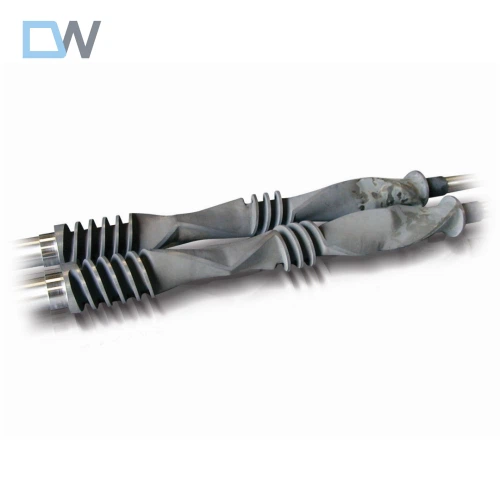
Now, I know some of you might be thinking, "Sure, HVOF coated screws sound great, but what about the initial production process? Isn't that energy-intensive?" It's true that the HVOF coating process does require energy to heat the fuel and oxygen and to operate the equipment. However, when you consider the long lifespan of HVOF coated screws and the reduced need for replacements, the overall energy consumption over the screw's lifetime is often lower compared to other coated screws.
In addition to the environmental benefits, HVOF coated screws also offer economic advantages. Since they last longer, you'll save money on replacement costs in the long run. You'll also reduce downtime associated with replacing worn-out screws, which can increase productivity and efficiency in your operations.
So, are HVOF coated screws more environmentally friendly than other coated screws? Based on the factors we've discussed, the answer is a resounding yes. Their long lifespan, use of environmentally friendly coating materials, and relatively clean coating process all contribute to a lower environmental impact.
If you're in the market for high-quality, environmentally friendly screws, I'd highly recommend considering HVOF coated screws. Whether you're in the automotive, aerospace, manufacturing, or any other industry that relies on screws, these screws can be a great choice.
If you're interested in learning more about our HVOF coated screws or have any questions, feel free to reach out. We're always happy to discuss your specific needs and see how our products can fit into your operations. Let's work together to make your projects more sustainable and efficient.
References
- "Thermal Spray Coatings: From Technology to Application" by Christian Coddet
- "Handbook of Wear Coatings" edited by Ramesh Singh and Rajiv S. Mishra
- Industry reports on the environmental impact of different coating methods


