

HVOF (High-Velocity Oxygen Fuel) coating technology has revolutionized the performance and durability of screws in various industries. As a leading HVOF coated screw supplier, I've witnessed firsthand the transformative power of this coating method. In this blog, I'll delve into the materials commonly used for HVOF coating on screws, their properties, and how they enhance the functionality of the screws.
1. Tungsten Carbide (WC)
Tungsten carbide is one of the most popular materials for HVOF coating on screws. It is a compound composed of tungsten and carbon, known for its exceptional hardness and wear resistance.
Properties
- Hardness: Tungsten carbide has a high hardness, typically ranging from 1,500 to 3,000 HV (Vickers hardness). This hardness allows the coated screws to withstand high-pressure environments and resist abrasion from abrasive particles.
- Wear Resistance: The wear resistance of tungsten carbide is excellent. When used as a coating on screws, it can significantly reduce the wear rate, especially in applications where the screws are in contact with abrasive materials such as plastics filled with glass fibers or metal powders.
- Corrosion Resistance: Tungsten carbide also offers good corrosion resistance. It can protect the underlying screw material from chemical attack, making it suitable for use in corrosive environments.
Applications
Tungsten carbide coated screws are widely used in the injection molding industry. For example, in the production of plastic parts with high - filled materials, these screws can maintain their shape and performance over a long period. If you're interested in our HVOF Tungsten Carbide Coated Screw with Through Hardened Steel, you can find more details on our website.
2. Chromium Carbide (Cr₃C₂)
Chromium carbide is another important material for HVOF coating on screws. It offers a combination of good wear resistance, corrosion resistance, and high - temperature stability.
Properties
- High - Temperature Resistance: Chromium carbide can maintain its hardness and mechanical properties at high temperatures. This makes it suitable for applications where the screws are exposed to elevated temperatures, such as in the hot - runner systems of injection molding machines.
- Corrosion Resistance: It has excellent corrosion resistance, especially against oxidizing agents and some acids. This property is crucial in applications where the screws may come into contact with corrosive substances during the manufacturing process.
- Wear Resistance: Similar to tungsten carbide, chromium carbide provides good wear resistance. It can form a hard and dense coating on the screw surface, protecting it from wear caused by friction and abrasive particles.
Applications
In the extrusion industry, chromium carbide coated screws are often used. Extrusion processes can generate high temperatures and involve the processing of various polymers. The high - temperature and wear - resistant properties of chromium carbide coating ensure the long - term performance of the screws.
3. Nickel - Based Alloys
Nickel - based alloys are also commonly used for HVOF coating on screws. These alloys typically contain nickel as the base element, along with other elements such as chromium, molybdenum, and tungsten.
Properties
- Good Ductility: Nickel - based alloys have good ductility, which means they can deform to some extent without cracking. This property is beneficial in applications where the screws may be subjected to mechanical stresses during operation.
- Corrosion Resistance: They offer excellent corrosion resistance in a wide range of environments, including both acidic and alkaline conditions. This makes them suitable for use in industries where the screws are exposed to corrosive chemicals.
- High - Temperature Strength: Nickel - based alloys can maintain their strength at high temperatures. They are often used in applications where the screws need to operate in high - temperature environments, such as in the aerospace and automotive industries.
Applications
In the chemical processing industry, nickel - based alloy coated screws are used in equipment for handling corrosive chemicals. The coating protects the screws from corrosion and ensures the reliable operation of the equipment.
4. Titanium Carbide (TiC)
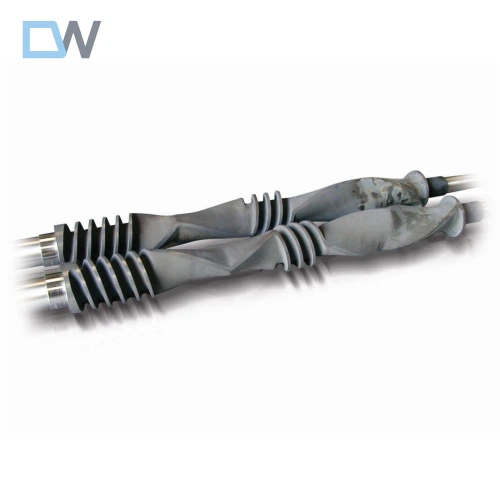
Titanium carbide is a hard ceramic material that can be used for HVOF coating on screws.
Properties
- High Hardness: Titanium carbide has a very high hardness, which provides excellent wear resistance. It can form a hard coating on the screw surface, protecting it from abrasion.
- Chemical Stability: It is chemically stable and has good resistance to oxidation and corrosion. This property makes it suitable for use in applications where the screws are exposed to harsh chemical environments.
- Low Friction Coefficient: Titanium carbide coatings can have a relatively low friction coefficient. This can reduce the frictional force between the screw and the surrounding materials, improving the efficiency of the screw operation.
Applications
In the metalworking industry, titanium carbide coated screws are used in machining operations. The low friction and high wear - resistance properties of the coating enhance the performance of the screws in cutting and forming processes.
5. Alumina (Al₂O₃)
Alumina is a ceramic material that can be applied as an HVOF coating on screws.
Properties
- High Hardness and Wear Resistance: Alumina is extremely hard, providing excellent wear resistance. It can protect the screw surface from wear caused by abrasive particles and high - speed contact.
- Electrical Insulation: Alumina is an excellent electrical insulator. In applications where electrical insulation is required, such as in some electronic manufacturing processes, alumina coated screws can be used.
- Chemical Inertness: It is chemically inert, which means it is resistant to chemical attack from most substances. This property makes it suitable for use in chemical - related industries.
Applications
In the electronics industry, alumina coated screws are used in the assembly of electronic components. The electrical insulation and wear - resistant properties of the coating ensure the proper functioning of the components.
How the Coating Materials Enhance Screw Performance
The use of these coating materials can significantly enhance the performance of screws in several ways.
- Increased Wear Resistance: As mentioned above, all these coating materials offer good wear resistance. This means that the screws can last longer in applications where they are subjected to abrasive wear. For example, in the plastics industry, the wear - resistant coating can prevent the screw from losing its precision over time, ensuring the consistent quality of the molded parts.
- Improved Corrosion Resistance: In many manufacturing processes, screws may come into contact with corrosive substances. The corrosion - resistant coatings protect the underlying screw material from damage, extending the service life of the screws.
- Enhanced High - Temperature Performance: Some applications require screws to operate at high temperatures. The high - temperature resistant coatings, such as those made from chromium carbide or nickel - based alloys, can maintain the mechanical properties of the screws at elevated temperatures, ensuring their reliable performance.
- Reduced Friction: Coatings like titanium carbide can reduce the friction coefficient between the screw and the surrounding materials. This not only improves the efficiency of the screw operation but also reduces the energy consumption during the manufacturing process.
Conclusion
As an HVOF coated screw supplier, I understand the importance of choosing the right coating material for different applications. Each of the materials mentioned above - tungsten carbide, chromium carbide, nickel - based alloys, titanium carbide, and alumina - has its unique properties and advantages. By selecting the appropriate coating material, we can provide our customers with screws that offer enhanced performance, longer service life, and better overall value.
If you're in the market for high - quality HVOF coated screws, whether for the injection molding, extrusion, chemical processing, or other industries, we're here to help. We have a wide range of coating options and can customize the coating according to your specific requirements. Contact us today to start a discussion about your needs and how our HVOF coated screws can meet them.
References
- "Handbook of Thermal Spray Technology" by John R. Davis
- "Coatings for Corrosion Protection" by P. R. Roberge
- "Materials Science and Engineering: An Introduction" by William D. Callister, Jr. and David G. Rethwisch


